Why "Hello Disney" Is the Playful Font Your Brand Needs Right Now
Let's talk about finding that perfect typeface. You know the one—it needs to feel friendly, look modern, and work everywhere from a toddler's birthday invitation to a boutique's logo. It's a tall order. Most fonts lean too formal, too childish, or just too generic. Then you stumble upon something like Hello Disney, and suddenly, the search feels worth it. This isn't just another script font; it's a tool designed to inject instant charm and approachability into your projects.
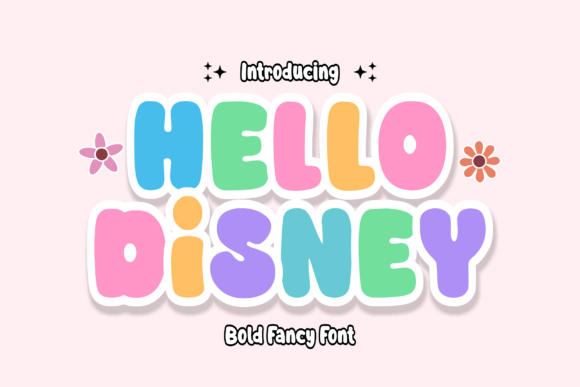
So, what exactly is Hello Disney? It’s a premium bubble font crafted with a distinct modern aesthetic. Each character is rounded and soft, creating a visual that feels welcoming and easy to read. But the magic is in its versatility. This isn't a one-trick pony. The designers built it to be a true workhorse for creatives, understanding that a font needs to perform across a wide range of applications. Whether you're designing a logo, packaging for a new product, or a series of social media posts, this typeface aims to be a reliable, visually cohesive solution.
A Font That Pops in Real-World Projects
The real test of any creative asset is how it holds up in practical use. Hello Disney finds its sweet spot in projects targeting families, children, or any brand wanting to project a sense of fun and imagination. Think about the visual identity for a local bakery specializing in whimsical cupcakes. The font could be the hero on their logo, carried through to their website headers, printed on their packaging boxes, and used for all their Instagram story highlights. This kind of consistency is gold for brand recognition. Customers start to associate that friendly, bubbly lettering with the positive experience of their treats.
For small business owners and entrepreneurs, this is where the value lies. You're not just buying a font file; you're investing in a component of your brand's visual language. Using Hello Disney for your primary display typeface can immediately signal that your brand is approachable, creative, and perhaps a bit playful. It works beautifully for:
- Logo Design: Creating a memorable mark for a children's clothing line, a family-focused blog, or a toy store.
- Packaging Design: Making products jump off the shelf, especially for items like toys, kids' snacks, or party supplies.
- Merchandise: Designing compelling sublimation prints for t-shirts, tote bags, and mugs that people actually want to wear and use.
- Digital Presence: Crafting eye-catching thumbnails for YouTube videos, engaging headers for blog posts, and cohesive graphics for social media feeds.
- Event Materials: Setting the tone for birthday parties, baby showers, or community events with invitations, banners, and signage that all feel connected.
Making It Work: Pairing and Practicality
Now, using a display font like this effectively requires a bit of strategy. You wouldn't set a long paragraph of body copy in Hello Disney—its charm is in headlines and short, impactful statements. The key is pairing it with a complementary typeface for longer text. A clean, simple sans-serif font often works best here. Imagine Hello Disney for a poster headline announcing a summer reading program, paired with a neutral, highly readable sans-serif for the event details, dates, and registration information. This creates a hierarchy that guides the viewer's eye and maintains readability.
Before committing to any font for a major project, always test it. Does it look as good at a small size on a mobile screen as it does blown up on a banner? How does it render in different colors against various backgrounds? For commercial projects, especially merchandise, understanding the licensing is non-negotiable. Ensure the license covers your intended use, whether it's for a limited print run or unlimited digital distribution. Hello Disney, as a commercial font, typically comes with clear licensing terms, but always double-check to avoid headaches down the line.
Beyond the Obvious: Creative and Editorial Uses
While its playful nature makes it obvious for kids' content, thinking outside the box can yield surprising results. A modern, forward-thinking tech company could use a font like this sparingly in their marketing materials to appear more human and less corporate, perhaps for a "fun facts" section in an annual report or a playful call-to-action button on their website. Editorial designers might use it for pull quotes or section headers in a magazine spread targeting young parents, adding a visual break that feels fresh and engaging.
The underlying lesson with Hello Disney is about matching typography to intent. Every font carries a personality. This one speaks of joy, creativity, and approachability. If that's the story your brand or project wants to tell, then it becomes more than just letters on a page—it becomes a strategic asset. It helps improve the professional presentation of your work, ensures visual consistency across touchpoints, and ultimately, helps you connect with your audience on a more emotional level. In a crowded visual landscape, that connection is what makes people stop scrolling and pay attention.