Boss Smile: The Bold Marker Font with Playful Charm
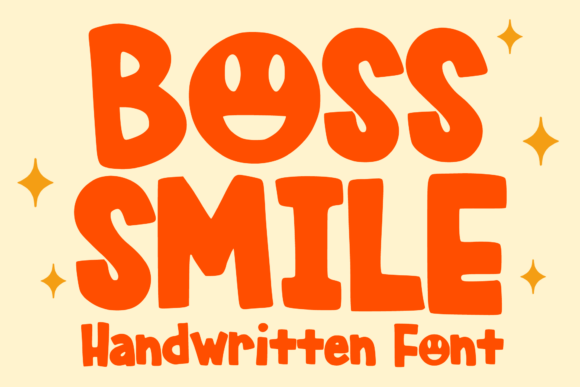
There's a moment in every creative project where you need a typeface that doesn't just sit quietly on the page—it needs to show up with personality. You know the feeling: you've nailed the concept, the colors are dialed in, but the typography feels flat, generic, forgettable. That's exactly the kind of problem Boss Smile was designed to solve. This bold marker font brings an unmistakable energy to any layout, combining the casual confidence of hand-drawn lettering with a clever visual twist—a subtle smile woven into its character forms—that makes it impossible to ignore.
What separates a good design from one that actually connects with people often comes down to emotional resonance. Fonts carry mood. They set expectations before a single word is read. And Boss Smile carries a mood that's confident, approachable, and genuinely fun without crossing into childish territory. It occupies a sweet spot that works for brands and creators who want to feel modern and energetic while still maintaining credibility.
Where Personality Meets Practicality
Let's talk about what this font actually looks like in action. Boss Smile is a display typeface, which means it's built for headlines, logos, and any situation where you need text to command attention. The marker-style strokes give it an organic, hand-lettered quality—like someone grabbed a thick pen and wrote with total confidence. But unlike many casual fonts that sacrifice legibility for style, Boss Smile maintains clean, readable letterforms even at smaller sizes. That balance is harder to achieve than most people realize.
The "smile" element isn't a gimmick. It's a subtle design characteristic baked into the curves and terminals of certain letters, giving the overall typeface a warm, inviting quality. You might not notice it consciously at first, but your audience will feel it. That kind of subconscious emotional cue is exactly what makes typography such a powerful branding tool.
For anyone working on logo design, this font offers a strong foundation. It's distinctive enough to become a recognizable part of a brand identity without relying on elaborate styling. Pair it with a clean sans serif for body text, and you've got a visual system that feels cohesive and intentional. Small business owners launching a new product line, content creators building a personal brand, or agencies developing campaigns for lifestyle clients—all of these scenarios benefit from a typeface that carries this much character on its own.
Creative Applications That Actually Work
The versatility of Boss Smile is one of its strongest selling points. Here's where it shines brightest:
- Packaging design – Think about shelf appeal. A bold marker font on a coffee bag, snack wrapper, or cosmetics box immediately signals a brand that doesn't take itself too seriously but still cares about quality. Boss Smile gives packaging that approachable, artisan feel that consumers gravitate toward.
- Social media graphics – Scroll-stopping power matters. Whether you're designing Instagram story templates, quote graphics, or promotional posts for a sale, this typeface grabs attention in a crowded feed. Its bold weight ensures readability even on small mobile screens.
- Merchandise and apparel – T-shirt prints, tote bags, stickers, mugs—any physical product where typography needs to look good standing alone. The hand-drawn quality of Boss Smile translates beautifully to print, avoiding the sterile look that digital-first fonts sometimes have when applied to tangible goods.
- Editorial layouts and book covers – Magazine headers, chapter titles, cookbook covers, children's book typography. The playful energy works particularly well for titles and pull quotes in publications targeting younger demographics or lifestyle audiences.
- Event invitations and marketing collateral – Birthday parties, product launches, pop-up shops, community events. When you want invitations, flyers, or posters to feel celebratory and inviting rather than corporate and stiff, a font like this sets the right tone immediately.
- Web design and blogs – Used strategically for hero text, call-to-action buttons, or section headers, Boss Smile can inject personality into an otherwise minimal website layout. Just be mindful of pairing it with a highly readable body font—more on that shortly.
- Digital products – If you sell templates, planners, worksheets, or educational materials, distinctive typography helps your products stand out in a saturated market. A creative font applied to headers and section breaks can elevate a simple PDF into something that feels premium and polished.
Getting the Most from Your Typography Choices
Choosing a font is only half the equation. How you use it determines whether your design feels professional or chaotic. A few practical considerations when working with Boss Smile or any bold display font:
Font pairing is everything. A typeface with this much personality needs a quieter partner. Think of it like a conversation—you can't have two people shouting at once. Pair Boss Smile with a neutral sans serif like Montserrat, Open Sans, or even a classic serif like Lora for body copy. The contrast creates visual hierarchy and keeps the layout balanced. Test several combinations before committing. What looks good in a font preview doesn't always work in a real layout with actual content.
Watch your sizing and spacing. Display fonts like this are designed to perform at larger sizes. Cranking the letter-spacing too tight or using it for long paragraphs will undermine both readability and the font's inherent charm. Let it breathe. Use it where it counts—headlines, logos, short impactful phrases—and let your supporting typeface handle the heavy lifting.
Consider your audience honestly. Boss Smile works brilliantly for brands and projects targeting audiences who appreciate creativity, warmth, and approachability. A children's clothing line? Perfect. A craft brewery's seasonal campaign? Excellent. A fitness influencer's merch drop? Absolutely. A law firm's annual report? Probably not the right fit. Matching typography to project goals means thinking beyond what you personally like and focusing on what resonates with the people you're trying to reach.
Review the full font family. Many premium fonts come with multiple styles—regular, bold, italic, condensed variations. Before you start designing, explore everything included in the package. You might find that a slightly different weight works better for your specific application, or that alternate characters offer a variation that better suits your brand's voice.
Building a Brand Identity That Sticks
Consistency is the backbone of brand recognition. When people see the same typography repeated across your website, packaging, social media, and printed materials, it builds familiarity. That familiarity breeds trust. And trust drives purchasing decisions. Choosing a distinctive display font like Boss Smile for your primary brand typeface—and using it consistently—creates a visual anchor that audiences associate with your business over time.
This matters especially for small businesses and independent creators competing against larger brands with bigger budgets. You might not have a massive advertising spend, but you can have a cohesive, memorable visual identity. Typography is one of the most cost-effective tools for achieving that. A single commercial font, applied thoughtfully across every touchpoint, can do more for brand recognition than a dozen stock photos or a complicated color palette.
Just make sure you understand the licensing. If you're using Boss Smile for client work, merchandise you sell, or digital products distributed commercially, confirm that the license covers those uses. Most premium fonts offer clear commercial licensing, but it's worth verifying before you build an entire brand system around a typeface. It's a small step that prevents headaches later.
Making Typography Work Harder for You
The best typography decisions happen when you stop thinking about fonts as decoration and start treating them as communication tools. Every typeface sends a message before the words themselves are processed. Boss Smile sends a message of confidence, creativity, and genuine warmth. It tells your audience that the person or brand behind the design has a personality—and isn't afraid to show it.
Whether you're a designer building mood boards for a new client, an entrepreneur finalizing packaging for your first product launch, or a content creator looking for a typeface that makes your thumbnails and graphics pop, the fonts you choose shape how people perceive your work. Take the time to test different applications, experiment with pairings, and evaluate how the font performs across the specific contexts where your audience will encounter it. That hands-on experimentation is where good design decisions are made—and where a font like Boss Smile earns its place in your toolkit.