The Soft Power of Delicate Bloom Typography
There is a specific challenge in design when the goal isn't to shout, but to whisper. We often spend so much time looking for bold, aggressive typefaces meant to grab attention that we forget the immense power of subtlety. If you have ever found yourself scrolling through hundreds of fonts looking for something that feels like a warm embrace or a fresh garden bouquet, you know how difficult it is to find a typeface that balances femininity with professionalism. Too often, "cute" fonts look childish, and "elegant" fonts look cold. You need something that bridges that gap—something that feels human, organic, and undeniably polished. This is exactly where the Delicate Bloom font enters the conversation, offering a solution for designers who want to inject a sense of softness into their work without sacrificing readability or class.
Understanding the Aesthetic: More Than Just a Script
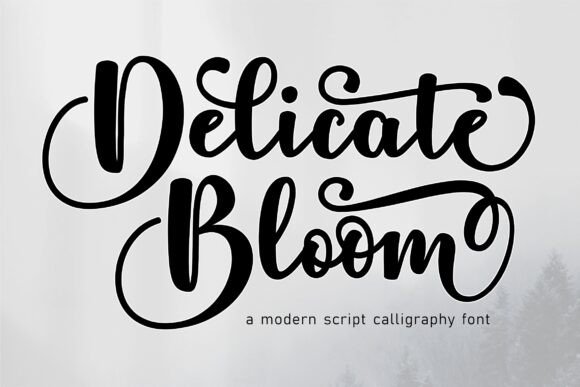
When we talk about a premium font like Delicate Bloom, we are discussing a tool designed to evoke a specific emotional response. It is a creative font that exudes softness and elegance, characterized by graceful strokes that mimic the flow of natural handwriting but with the consistency required for commercial use. Unlike standard script fonts that can sometimes look jagged or unrefined, this typeface features a feminine touch that feels curated and intentional.
The visual appeal lies in its ability to balance weight and whitespace. The letterforms are designed to be airy, preventing the text from looking cluttered even when used in tighter kerning. For a brand strategist or a small business owner, this visual characteristic is crucial. It suggests transparency, care, and attention to detail. Whether you are using it for a logo design or a simple social media caption, the font acts as a visual cue that tells your audience, "We care about the details, and we value beauty." It moves beyond the rigid structure of sans serif fonts, offering a personality that feels alive and breathing.
Real-World Applications for Modern Creators
The versatility of a display font like this is where the practical value lies for entrepreneurs and content creators. It is not limited to one niche; rather, its adaptable nature allows it to shine across various mediums.
Consider the world of packaging design. If you are a small business owner selling artisanal candles, organic skincare, or handmade jewelry, the unboxing experience is part of your product. Using Delicate Bloom on your labels and packaging can instantly communicate the quality of the ingredients or the craftsmanship of the item. It elevates a simple jar of cream into a luxury gift.
In the realm of digital products and editorial design, the font serves a different but equally important purpose. For bloggers and digital magazine creators, this typeface is perfect for pull quotes, chapter headers, or lead-in text for articles on lifestyle, wellness, or fashion. It breaks up the monotony of standard body text (usually a serif or sans serif font) and guides the reader's eye to the most important parts of the story.
Furthermore, the wedding and events industry relies heavily on typography that sets a mood. Invitations, signage, and menus benefit immensely from a handwritten font style that feels personal yet legible. It helps in creating a cohesive aesthetic from the "Save the Date" to the thank-you cards, ensuring a professional presentation that guests will remember.
Strategic Branding and Visual Consistency
For marketing professionals, the choice of typography is a strategic decision, not just an aesthetic one. Visual consistency is the backbone of brand recognition. When you choose a typeface like Delicate Bloom for your primary headers or accent text, you are defining a specific part of your brand voice.
This font helps improve engagement because it is approachable. In a digital landscape filled with harsh geometric shapes and cold, robotic interfaces, a font with a human touch can stop a user from scrolling. It creates a connection. For a business focused on community, wellness, or creativity, this connection is vital for conversion. It makes your website feel less like a corporate machine and more like a conversation.
However, professional presentation requires more than just picking a pretty font. You need to ensure that your brand identity remains legible across all devices. While Delicate Bloom is excellent for titles and logos, readability considerations must come into play for body copy. It is best used as an accent font—pairing it with a clean, modern sans serif for the main text ensures that your message is read clearly while the headers provide the personality.
Practical Advice for Typography Pairing
Choosing the right font style is only half the battle; the other half is finding the right partner for it. A common mistake in design is pairing two highly decorative fonts together, which creates visual chaos. Since Delicate Bloom has a strong personality with its graceful strokes, it needs a grounding partner.
Here are a few practical recommendations for matching typography to your project goals:
- The Clean Contrast: Pair Delicate Bloom with a geometric sans serif font (like Montserrat or Poppins). The mathematical precision of the sans serif contrasts beautifully with the organic nature of the bloom, creating a modern, high-end look perfect for web design and tech startups with a soft touch.
- The Classic Editorial: Combine it with a transitional serif font (like Baskerville or Garamond). This works exceptionally well for editorial layouts, book covers, and high-end branding. It feels timeless and sophisticated.
- The Whitespace Strategy: Because this is a display font, give it room to breathe. Do not crowd it. Use generous margins and line spacing (leading) to let the letters dance without bumping into each other. This is key for logos and signage.
Before finalizing your design, always test your font pairings in context. Place the text on your actual mockups—whether it is a mobile screen, a business card, or a tote bag—to see how the ink sits on the surface. Review the included font styles to see if a bold or light variation better suits the hierarchy of your design.
Licensing and Commercial Use
One often overlooked aspect of using creative fonts is the licensing. If you are a designer creating a logo for a client, or a business owner selling merchandise, you must ensure you have the correct commercial font license. Most premium fonts come with a license that covers personal and commercial use, but the specifics can vary regarding how many computers can install the file or whether it can be embedded in an app.
Always review the End User License Agreement (EULA) provided with the font. This protects you legally and ensures that the type designer is compensated for their work, allowing them to continue creating high-quality design assets. It is a small step that ensures your business operates on solid legal ground.
Ultimately, Delicate Bloom is more than just a collection of letters; it is a design asset that allows you to communicate softness, elegance, and care. Whether you are designing a wedding invite, launching a new skincare line, or refreshing your blog’s header, this typeface offers a way to connect with your audience on an emotional level. It proves that in a world of noise, a quiet, confident whisper can often be the most powerful statement of all.