Cute Fonts: When Typography Gets a Personality
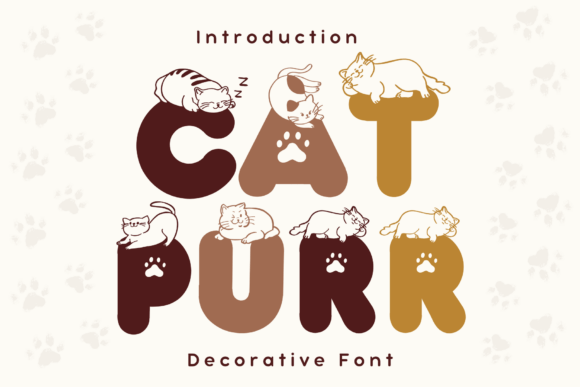
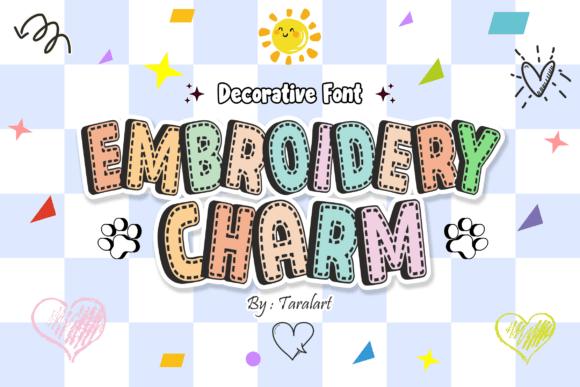
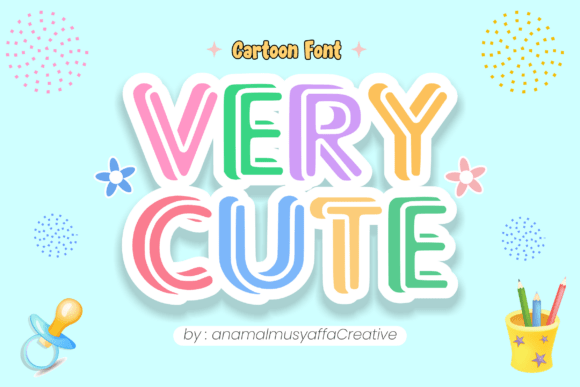
There is a specific moment in every design project where the standard, sterile typefaces just don't cut it. You know the feeling. You are working on a children’s educational app, a whimsical bakery logo, or a playful birthday invitation, and the text feels cold. It lacks the warmth and energy that the rest of the design is trying to convey. This is where the power of a truly expressive typeface comes into play. We aren't just talking about choosing "Comic Sans" or a generic script; we are talking about high-quality, premium font options that act as illustrations in their own right. Among the delightful options available in the realm of modern typography, Cute Fonts—specifically styles like the delightfully quirky "Gog Fonts"—offers a solution that is less about strict legibility rules and more about emotional connection.
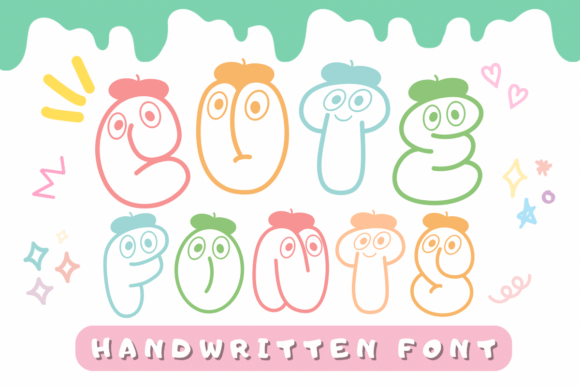
The "Gog" style is not just a handwritten font; it is a cast of characters. Each letter is designed with expressive eyes and playful curves, transforming standard text into a visual story. For designers and creative entrepreneurs, this presents a unique opportunity to inject personality into a project without relying solely on accompanying graphics. But how do you take a display font with this much character and use it effectively in professional settings? It requires a balance of creativity and restraint to ensure your design remains polished while embracing the fun.
The Anatomy of Personality: Why Quirky Typography Works
In the world of brand identity, standing out is the primary goal. A font like Gog works because it taps into the psychology of playfulness. It signals to the viewer that the content is approachable, safe, and fun. This is particularly effective in packaging design for products targeting children or families. Imagine a box of organic fruit snacks. If the typography is a rigid, corporate sans-serif, it might feel medicinal. However, if you use a creative font with rounded, character-based lettering, the product immediately feels more edible and enjoyable.
However, the appeal of Cute Fonts extends beyond just the nursery or the candy aisle. Content creators and marketers are increasingly using expressive typography to cut through the noise on social media. A static image on Instagram needs to stop the scroll. A headline set in a playful, hand-drawn style can evoke a smile faster than a block of text. It humanizes the brand. It suggests that there are real people behind the logo who don't take themselves too seriously, which is a highly attractive trait for modern consumers.
Practical Applications: From Screen to Print
Understanding where to deploy a display font like this is half the battle. Because of its intricate details and "living" nature, it functions best as a headline or accent font rather than for body copy. Here is how you can integrate it across various mediums:
- Logo Design & Branding: For a boutique brand, a toy shop, or a pet grooming service, a font with character can serve as the primary wordmark. It instantly communicates the niche. For example, a children's bookstore could use this font for their signage, turning the store name into an inviting invitation to read.
- Social Media Graphics: Use it for "Stories" stickers, sale announcements, or quote cards. It adds a layer of visual texture that standard sans serif fonts cannot provide.
- Merchandise: T-shirts, tote bags, and mugs often rely on creative fonts to sell a vibe. A quirky handwritten font works perfectly for witty one-liners or brand logos on apparel.
- Invitations & Greeting Cards: This is the native habitat of the whimsical typeface. Whether it’s a digital e-vite or a printed card, the personality of the letters adds to the celebration.
- Web Design & Blogs: While you wouldn't write a 1000-word blog post with it, using it for headers or category titles on a website can break the monotony of standard web typography and reinforce the site's theme.
Mastering the Mix: Pairing and Hierarchy
The biggest mistake beginners make with highly stylized fonts is using them for everything. If you write a paragraph in "Gog," it becomes unreadable and visually exhausting. The key to professional editorial design is contrast.
When working with a font like Cute Fonts, you need a grounding partner. Since the display font is likely a script font or irregular handwritten style, pair it with a clean, geometric sans serif font or a simple serif font. The clean lines of the body text will allow the personality of the headlines to shine without competing for attention.
Consider the hierarchy of your design. The "Cute" font should be reserved for the H1 headlines, logos, or call-to-action buttons. The supporting text should be neutral. This creates a visual rhythm where the eye is drawn to the "fun" parts first, then settles into the informative parts. This technique is essential in marketing assets where you need to grab attention immediately but also convey detailed information about a product or service.
Technical Considerations and Licensing
Before you fall in love with a premium font, you must consider the technical constraints and legalities. Fonts like "Gog Fonts" often include different styles or weights. Review the included files. Does it come with alternates? Does it include a web font version (WOFF/WOFF2) for your site, or just desktop files (OTF/TTF)?
For web design, load times matter. Handwritten fonts can sometimes be larger file sizes than standard system fonts. Ensure your site speed isn't compromised by overusing the font file. Often, using the display font for only the main logo or the first H1 header in the code is enough to get the style across while keeping the page light.
Furthermore, commercial licensing is non-negotiable. If you are a small business owner using this font for a client's packaging or a product you intend to sell, you need a commercial license. "Free for personal use" does not cover business expenses or client work. Always check the End User License Agreement (EULA). A reputable commercial font license ensures you are legally protected and supports the type designers who create these intricate assets.
Matching Typography to Project Goals
Ultimately, choosing a font is a strategic decision, not just an aesthetic one. You have to ask: does this typeface match the voice of the project? A font with "expressive eyes" and "playful curves" implies a specific tone. It suggests joy, youth, and whimsy. If you are designing a corporate annual report, this is the wrong choice. If you are designing a poster for a kindergarten fundraiser, it is the perfect choice.
Think about readability in the context of the audience. Children and parents respond positively to rounded, soft shapes. It feels safe. Conversely, a luxury tech brand wants sharp, angular precision. Cute Fonts occupy a specific lane in visual communication. When you stay in that lane, the results are cohesive and effective.
Don't be afraid to test your font pairings in real-world mockups. Place the text on a business card, a phone screen, and a poster. Zoom in. Zoom out. Does the personality of the font hold up at small sizes, or do the "eyes" on the letters turn into blurry blobs? This testing phase is crucial for ensuring your design assets are versatile.
In the end, a font like "Gog" is a tool for joy. It is a specialized instrument in a designer's toolkit, meant to bridge the gap between text and illustration. By applying it thoughtfully, respecting its personality, and balancing it with solid typographic fundamentals, you can transform a standard project into something truly memorable. Whether you are crafting a brand identity for a new startup or designing the next viral social media graphic, embracing the quirks of expressive typography can be the spark that connects you with your audience. It reminds us that design doesn't always have to be serious to be professional; sometimes, it just needs a little bit of character.