Space Boards: The Typeface That Gives Your Brand a Galactic Edge
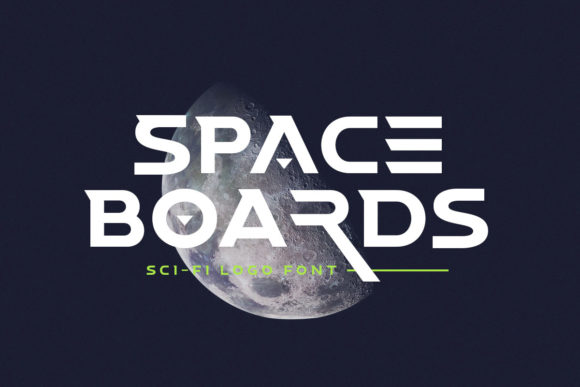
Imagine a font that doesn't just sit on the page but seems to hum with a quiet, futuristic energy. That's the immediate impression of Space Boards, a distinctive slab serif typeface built for projects that need to look beyond ordinary. Its characters carry a magnificent, slightly unearthly quality—think clean, geometric forms with the sturdy, grounded presence of a slab serif, but with a subtle twist that feels pulled from a sleek sci-fi interface or a high-tech control panel. This isn't your average corporate serif; it's a design asset with personality, engineered to make logos, posters, and marketing materials leap off the screen with a sense of innovation and forward momentum.
Where Futurism Meets Function
The core appeal of a typeface like Space Boards lies in its balanced duality. It offers the readability and structural confidence of a traditional serif, making it surprisingly versatile for both display and shorter blocks of text. Yet, its unique character shapes and subtle geometric undertones inject a modern, almost cosmic sensibility. This makes it a powerful tool for anyone working in branding, logo design, or editorial layouts where you need to communicate cutting-edge ideas without sacrificing clarity. Whether you're crafting a brand identity for a tech startup, designing a poster for a science-fiction film festival, or creating social media graphics for a space tourism blog, this font provides a visual shorthand for the future.
Practical Applications Across Your Projects
Let's move beyond theory and into the studio. How can you actually use a creative font like this in your daily work? The applications are broader than you might first think, touching nearly every corner of design and marketing.
- Logo Design & Brand Identity: A logo sets the entire tone for a brand. The distinctive presence of Space Boards can help a new company establish a memorable visual identity that feels established, innovative, and trustworthy all at once. It’s a premium font choice that signals quality and vision from the first glance.
- Packaging & Merchandise: On product labels, box designs, or merchandise like t-shirts and tote bags, the font's unique personality helps products stand out on crowded shelves or in online stores. It adds a layer of perceived value and design intention that generic fonts cannot match.
- Digital & Web Presence: For websites, blogs, and digital products, using this typeface for headings and key call-to-action buttons can significantly boost visual hierarchy and user engagement. It guides the reader's eye and reinforces a site's thematic direction, whether that's tech, gaming, or futuristic lifestyle content.
- Marketing & Social Media: In the fast-scrolling world of social media, stopping power is everything. A bold, thematic font used in Instagram graphics, Facebook ads, or YouTube thumbnails can dramatically increase click-through rates by creating immediate visual intrigue and brand consistency across all assets.
- Print & Editorial: Don't confine it to digital. Think about movie posters, event invitations for a tech conference, or the chapter headings in a sci-fi novel. In editorial design, it can create stunning pull quotes and section dividers that enhance the reading experience and immerse the audience in the content's world.
Making It Work: Pairing and Practicality
Introducing a strong display font into your toolkit requires a bit of strategy to ensure it works harmoniously within your overall design system. The goal is to let its character shine without overwhelming your message.
One of the most effective approaches is font pairing. Space Boards, with its bold slab-serif nature, often pairs beautifully with a clean, neutral sans-serif font for body text. Think of it as the lead vocalist and the rhythm section—the display font grabs attention, while a simple sans-serif like a geometric or humanist typeface handles the longer paragraphs with ease, ensuring maximum readability. Avoid pairing it with another highly decorative or script font, as this can create visual clutter and confuse the viewer.
Always consider your project's specific goals. Is the primary aim to look authoritative and tech-driven? Or perhaps playful and futuristic? Review the included font styles—many premium font families come with multiple weights and italics. A lighter weight might work for elegant subheadings, while the bold or black weight is perfect for impactful titles. Test your pairings and choices in context. Mock up a logo, lay out a sample social media post, or create a quick web header. Does the typography feel balanced? Is the key message instantly clear? This hands-on testing is where good design decisions are made.
Finally, a crucial but often overlooked step: understand the licensing. If you're using the font for commercial work—a client's logo, a product you sell, a monetized blog—you need to ensure you have the appropriate commercial license. This protects you legally and supports the type designers who create these valuable assets. Always review the license details provided with the font file to know exactly how you can use it across different mediums and for different clients.
In the end, selecting a typeface is a foundational creative decision. A characterful font like Space Boards offers more than just letters; it offers a mood, a direction, and a powerful visual tool. When matched thoughtfully to the right project, it can elevate a simple design into something that feels truly out of this world, connecting with an audience on a level that feels both professional and profoundly imaginative.