Bigola: A Bold Display Font for Modern Brands
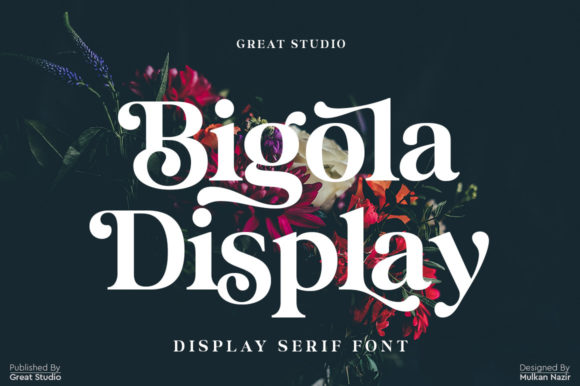
Every designer knows the feeling. You're staring at a blank canvas, a new brand identity or a crucial social media campaign taking shape in your mind, but the words you type look lifeless. The project needs a voice—a visual punch that grabs attention before a single sentence is read. This is where a typeface with real personality stops being a mere tool and becomes the star of the show. Enter Bigola, a cool, bold, and trendy lettered display font that's built for exactly these moments. It’s more than just a collection of letters; it's a statement piece designed to inject energy and confidence into any creative work.
A Typeface with Attitude and Flexibility
What immediately sets a font like Bigola apart is its unapologetic presence. This isn't a wallflower typeface meant to blend into the background. Its strong, defined strokes and contemporary styling make it perfect for headlines that need to command a room. Think of the hero section of a website launching a new streetwear line, the main title on a poster for a music festival, or the logo for a cutting-edge tech startup. In these scenarios, a standard, neutral font would simply get lost. Bigola steps in to provide that essential visual hierarchy, drawing the eye exactly where it needs to go and setting the tone for the entire design.
Beyond its boldness, the practical design choices behind this premium font are what make it a versatile asset in your toolkit. The fact that it is PUA encoded is a significant advantage for anyone who works in design software. This technical feature simply means that every glyph, swash, and stylistic alternate included with the font is easily accessible, often through a standard character map or your software's glyphs panel. For a small business owner creating their own marketing materials in Canva or for a designer working in Adobe Illustrator, this translates to effortless creativity. You can quickly add a decorative flourish to a logo initial, swap out a standard ampersand for a more elegant version, or access unique letterforms to make a wordmark truly one-of-a-kind without wrestling with complex software settings.
From Brand Identity to Packaging Design
The true test of any creative font is how it performs across different applications. A typeface that looks great on a screen might fail in print, or one that’s stunning in a logo might be illegible at small sizes on a product label. A well-constructed display font like Bigola is designed with this versatility in mind. Its core strength lies in branding. When you select a typeface for a brand, you are choosing the visual voice that will communicate its values for years. Bigola’s trendy yet bold character makes it an excellent choice for brands that want to project confidence, modernity, and a bit of edge. This could be for a fitness brand, a creative agency, a gourmet burger joint, or a line of artisanal cosmetics.
That same energy translates powerfully to packaging design. On a shelf crowded with competitors, a product has a split second to catch a potential customer's eye. A bold, stylish font used for the product name can be the deciding factor. Imagine a bag of craft coffee or a bottle of hot sauce using Bigola for its label. The font does the heavy lifting of communicating the brand's bold flavor profile before the customer even picks it up. Similarly, for merchandise like t-shirts, tote bags, and hats, a display font is essential. It turns a simple piece of apparel into a wearable brand statement, something that content creators and influencers can leverage to build a tangible connection with their audience.
Enhancing Digital Presence and Engagement
In the fast-scrolling world of digital content, grabbing attention is paramount. For social media graphics, a strong typeface is your best friend. Whether it's for an Instagram story announcing a flash sale, a Pinterest pin for a new blog post, or a Facebook ad promoting a webinar, using a font like Bigola ensures your message isn't just seen, but felt. It adds a layer of professionalism and intention to your visuals that generic fonts simply cannot match. This visual consistency across your platforms helps build brand recognition; your followers will start to associate that specific, bold look with your content, making it instantly identifiable as they scroll.
This principle extends to web and blog design. While body text requires a highly readable serif or sans serif font, your headlines are an opportunity to showcase your brand's personality. Using a display font for H1 and H2 tags on your website can dramatically improve the user experience. It breaks up the visual monotony of text-heavy pages, guides the reader's eye through the content, and reinforces your brand identity with every page they visit. For digital products, like downloadable planners, e-book covers, or online course materials, a premium font elevates the perceived value. It signals to the customer that this is a thoughtfully designed, professional product worth their investment.
Making Smart Typography Choices
Having a powerful tool like a bold display font is one thing; knowing how to use it effectively is another. A common mistake is overuse. Setting an entire paragraph in a heavy, trendy typeface would be a readability nightmare. The golden rule for display fonts is to use them sparingly for maximum impact—think headlines, titles, logos, and short, punchy calls to action. For body copy, always pair it with a simpler, more legible typeface. A classic sans serif like Montserrat or a clean serif like Lora can create a beautiful and balanced contrast, allowing the boldness of your headline font to shine without overwhelming the reader.
Before committing a font to a major project, always test it. Type out the specific words you'll be using, especially your brand name or key phrases. See how the letterforms interact. Check the kerning (the space between letters) and explore the alternates and swashes that come with the font. Does a stylistic 'R' better suit your logo? Does a swash on the final 'y' add the perfect touch of flair to an invitation? This exploration is part of the creative process. Furthermore, always be mindful of licensing. A font intended for personal hobby projects may have a different license than one used for a client's commercial logo or a product you intend to sell. Ensuring you have the correct commercial license for your font is a non-negotiable step in professional and ethical design practice.
Ultimately, the fonts you choose are silent ambassadors for your message. They carry weight, emotion, and context. A typeface like Bigola offers a specific voice: one that is confident, contemporary, and ready to make a statement. By understanding its strengths and applying it thoughtfully across your branding, packaging, and digital projects, you can transform good ideas into visually compelling and memorable designs that truly connect with your audience.