Plaid Pink: The Playful Typeface for Crafts and Branding
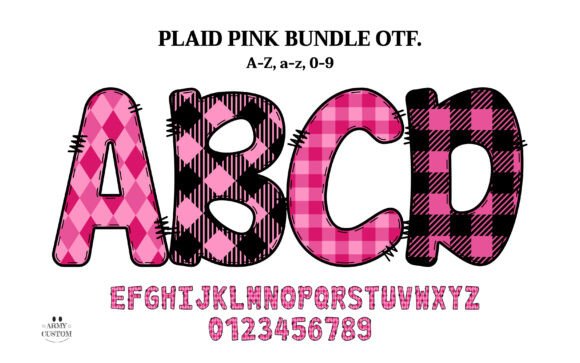
There’s something undeniably joyful about a design that doesn’t take itself too seriously. In a world saturated with minimalist sans-serifs and elegant scripts, a font that bursts with personality and texture can stop a scrolling thumb in its tracks. That’s the immediate charm of a typeface like Plaid Pink, a decorative color font that doesn’t just spell out words—it wraps them in a cozy, handcrafted hug. Imagine the bold, rounded lettering of a friendly display font, but instead of a solid fill, each character is woven with vibrant, contrasting pink and black plaid. It’s a design choice that feels instantly familiar, like a favorite flannel shirt or a festive holiday blanket, yet entirely fresh for digital and print projects.
This isn’t your average typeface. The magic lies in the details. Look closer, and you’ll notice subtle, decorative stitch marks tracing the outlines of each letter, enhancing the textile-inspired aesthetic. The chunky, friendly shapes ensure every word pops with clarity and warmth, making it a powerful tool for projects that need to convey approachability, fun, and a touch of DIY charm. It’s a premium font designed for impact, perfect for when you need your typography to do more than just communicate—it needs to connect.
More Than Just a Pretty Pattern: Where This Font Shines
While the visual appeal is instant, the practical applications are vast. For a small business owner specializing in handmade goods, this font becomes a cornerstone of brand identity. Use it for your logo to immediately signal a cozy, artisanal vibe. It translates beautifully onto packaging for products like candles, soaps, or baked goods, where a tactile, homemade feel adds perceived value. The pattern is detailed enough to look stunning on a product tag but remains legible and clear at a glance.
Social media is another natural habitat. In a feed full of clean, modern graphics, a post header or quote set in a bold, textured display font like this can dramatically increase engagement. It’s perfect for Instagram Stories announcing a sale, a Facebook event for a holiday market, or a Pinterest graphic for a DIY tutorial. The playful aesthetic aligns perfectly with content for children’s apparel, party supplies, or seasonal crafts—think Valentine’s Day cards with a playful twist or Christmas ornaments with a retro flair.
Pairing and Practicality: Making the Font Work for You
Using a highly decorative font effectively requires a bit of strategy. Its strength is in headlines, titles, and short bursts of text where its personality can shine without overwhelming the viewer. A common and effective approach is to pair it with a clean, neutral sans-serif font for body copy. This creates a beautiful visual hierarchy, allowing the playful plaid to grab attention while the supporting text ensures readability and professionalism.
Always test your font pairings in context. Does the combination feel balanced? Does the decorative font remain legible at the intended size? For digital use, ensure the pattern renders crisply on various screen resolutions. For physical applications like vinyl cutting or sublimation, do a test print or cut to see how the intricate stitch details and plaid pattern translate to material. This font is a design asset, and like any asset, its value is realized through thoughtful application.
Considering Commercial Use and Licensing
For designers and entrepreneurs, understanding the licensing of a creative font is crucial. A font marketed for sublimation and vinyl cutting often comes with specific commercial licensing that permits use on physical products for sale. This is a significant advantage over many free fonts, which may restrict commercial use. Before integrating a font like this into a client’s brand identity or your own product line, always review the license agreement carefully. Knowing you have the rights to use the typeface across all your marketing assets—from your website to your merchandise—provides peace of mind and protects your business.
In the end, choosing a typeface is about matching a visual voice to a message. The Plaid Pink color font is the voice of a creative entrepreneur, a passionate crafter, or a brand that wants to feel welcoming and full of character. It’s a tool for building recognition not through stark minimalism, but through pattern, texture, and a sense of handmade authenticity. It reminds us that typography, at its best, is not just about reading words—it’s about feeling them.