Nevera: A Typeface for the Next Generation of Design
There's a specific energy you feel when you encounter a design that feels both instantly familiar and thrillingly new. It's the quiet confidence of a tech startup's logo, the immersive pull of a video game's menu screen, or the sleek appeal of a concept car's brochure. This feeling often starts with typography—the silent ambassador of a brand's personality. For projects that need to communicate innovation, dynamism, and a forward-thinking vision, a typeface like Nevera can be the foundational element that ties the entire visual narrative together.
More Than Just Letters: The Anatomy of a Futuristic Font
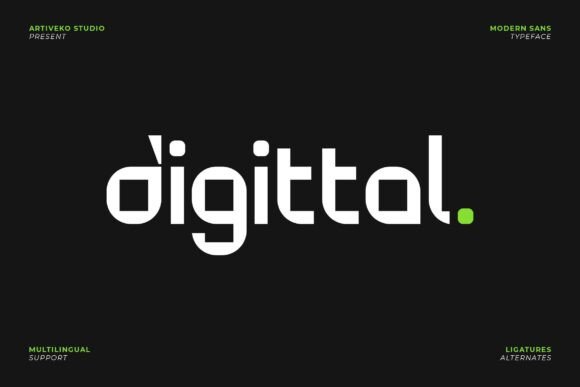
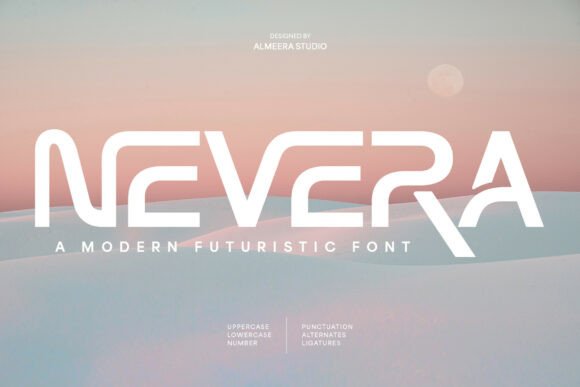
At first glance, Nevera presents a compelling contradiction. Its letterforms are built on a foundation of sleek, rounded curves, suggesting approachability and fluidity. Yet, these curves are met with sharp, decisive cuts and angles, injecting a sense of precision, technology, and cutting-edge design. This blend is what gives Nevera its distinct character. It’s not a cold, purely geometric typeface, nor is it overly soft. It strikes a balance that feels modern, intelligent, and full of potential.
The design choices within the font family support this vision. Nevera includes a full suite of uppercase and lowercase characters, numbers, and punctuation, but its value is amplified by the inclusion of stylistic alternates and ligatures. These aren't just decorative extras; they are practical tools for a designer. An alternate 'a' or 'g' can change the entire feel of a logo. A custom ligature can turn a simple wordmark into a unique, ownable graphic. This level of detail allows for immense flexibility, ensuring your designs can feel custom-crafted rather than template-driven.
Where Nevera Finds Its Voice: Practical Applications
Understanding a font's aesthetic is one thing; knowing where to apply it is where the real strategy comes in. Nevera's personality makes it exceptionally well-suited for a range of modern creative and commercial projects. It’s a premium font that acts as a powerful design asset when used thoughtfully.
Branding and Logo Design: For a brand that wants to be seen as a leader—whether in fintech, sustainable energy, or next-gen software—Nevera can form the core of a memorable identity. Its unique construction ensures a logo will stand out in a crowded market. When paired with a clean, minimalist sans serif font for body copy, the brand's primary message becomes incredibly clear and visually consistent.
Digital Interfaces and Web Design: Nevera's excellent readability, even at smaller sizes, makes it a strong candidate for headlines, navigation menus, and call-to-action buttons on websites and apps. It can guide a user's eye and reinforce a product's innovative nature without sacrificing usability. For social media graphics, its bold presence ensures posts stop the scroll, making it ideal for quotes, announcements, and promotional banners.
Editorial and Packaging Design: In print, Nevera shines in editorial layouts for magazines covering tech, automotive, or design. It can set a dynamic tone for feature stories. On packaging, especially for consumer electronics, gaming peripherals, or even premium beverages, it communicates quality and modernity. The font's style can make a product feel like part of the future, right on the shelf.
Environmental and Merchandise: Think beyond the screen. Nevera is perfect for posters, event signage for conferences or launches, and branded merchandise like t-shirts and hats. Its distinctive shapes translate well to large-scale applications where visual impact is paramount, helping to build a tangible brand world.
Strategic Typography: Making the Font Work for You
Choosing a creative font like Nevera is just the first step. Integrating it effectively into your project requires a bit of strategy. Here’s how to ensure it delivers on its promise.
Match the Font to the Project's Core Goal: Before you even start designing, define the single most important feeling your project should evoke. Is it "trustworthy innovation"? "Playful futurism"? "Luxury tech"? Nevera leans toward a sleek, dynamic, and innovative aesthetic. If your project's goal is "rustic warmth" or "classic tradition," it might not be the right fit, no matter how beautiful it is. Always let the project's goal guide your typography choices.
The Art of Font Pairing: A display font like Nevera rarely works alone in long-form text. Its power is maximized when paired with a complementary typeface. For a balanced and highly readable layout, pair Nevera with a neutral, humanist sans serif font for body copy. This contrast allows Nevera's unique personality to headline the design while the supporting font ensures clarity and comfort for extended reading. Avoid pairing it with another highly stylized font, as they will compete for attention.
Test for Readability in Context: Always test your chosen font styles in the exact environment they'll be used. Set a headline in Nevera and view it on a mobile phone screen. Check how a tagline looks on a printed business card mockup. Review the legibility of numbers and punctuation in a data visualization. What looks sharp in a design file might need weight or size adjustments in application.
Leverage the Full Toolkit: Don't overlook the stylistic alternates and ligatures. Experiment with them during the logo or headline design phase. Swapping a standard character for an alternate can be the detail that transforms a good design into a great one, adding a layer of custom sophistication that elevates the entire brand identity.
Final Thoughts on Choosing a Visionary Typeface
Selecting a typeface is a decision that impacts every visual touchpoint of a project. A font like Nevera offers more than just aesthetic appeal; it provides a toolkit for building a coherent and compelling visual language. It’s a typeface for designers, entrepreneurs, and creators who aren't just following trends but are looking to define what comes next. By understanding its strengths and applying it with strategic intent, you can use Nevera to craft designs that don't just look modern—they feel like the future, today.