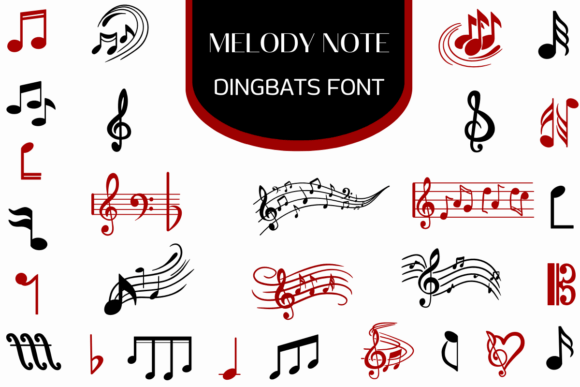
Bring Musical Charm to Your Designs with Melody Notes
There’s a certain magic in how music can instantly set a mood, and the same principle applies to visual design. A single, well-chosen graphic element can transform a flat layout into something that feels alive, rhythmic, and emotionally resonant. That’s the power a creative font like Melody Notes brings to the table. It’s not just a collection of letters and symbols; it’s a toolbox of musical dingbats designed to inject a sense of harmony, whimsy, and artistic flair into a wide range of projects. Whether you’re crafting a brand identity, designing a poster, or adding personality to your social media feed, this typeface offers a unique visual language that speaks directly to the senses.
A Typeface with a Playful, Artistic Soul
At its core, Melody Notes is a display font, but its true character lies in its dingbat glyphs. Imagine treble clefs that dance with elegance, quavers that swirl with energy, and musical staffs that flow like a composed score. The visual appeal is immediate: it’s clean enough to feel modern yet expressive enough to avoid feeling sterile. This makes it an exceptionally versatile creative font. It doesn’t scream for attention with flashy gradients or complex textures; instead, it wins you over with its charming, hand-drawn aesthetic and consistent line weight. For a designer, this means it can add personality without overwhelming a primary typeface or a key piece of imagery. It’s the kind of asset that feels both special and practical—a rare combination in the world of design assets.
From Brand Identity to Packaging: Where Melody Notes Shines
The real test of any premium font is its practical application. Where does a musical dingbat font like this actually make sense? The answer might surprise you with its breadth.
For branding and logo design, especially for businesses in the music industry, education, or creative arts, Melody Notes can become a core part of the visual identity. A music school’s logo could use a stylized treble clef from the font as a standalone mark, or a blog about vinyl records could use the notes as decorative bullets in its style guide. It helps build immediate brand recognition through a consistent, thematic icon set.
When it comes to packaging design, think beyond the obvious. A boutique coffee roaster with a “jazz” themed blend could use musical notes on the bag’s label. A craft brewery might incorporate them into the neck tag for a limited-edition release. In editorial layouts and print materials, these glyphs are perfect for adding visual interest to magazine sidebars, chapter headings in a book about music history, or as ornamental breaks in a brochure.
Digital applications are where Melody Notes truly excels. Social media graphics for a podcast, a Spotify playlist, or a musician’s Instagram feed can be instantly elevated. Use the notes as decorative icons next to episode numbers, as background patterns, or as part of a branded story template. For websites and blogs, consider using them as custom list bullets, footer decorations, or loading animation elements. They can also bring life to digital products like worksheets, planners, and e-books focused on creative topics. Even invitations for a concert, a music-themed party, or a wedding with a musical couple gain a layer of thoughtful detail.
Integrating Melody Notes into Your Design Workflow
Adding a new font to your toolkit is one thing; using it effectively is another. Here’s some practical advice for making the most of a creative asset like Melody Notes.
First, consider its role. This is a supporting player, not the lead. Its strength is in adding accent and detail. Pair it with a strong, readable serif or sans serif font for body copy. For example, a classic serif like Garamond paired with Melody Notes glyphs creates a beautiful contrast between timeless elegance and playful artistry. A clean sans serif like Montserrat offers a more modern, crisp pairing.
Second, match it to your project’s goal. The whimsical nature of the notes is perfect for projects targeting a sense of fun, creativity, or nostalgia. It might be less appropriate for a corporate law firm’s annual report, but it’s ideal for a children’s music app or a vinyl subscription service. Always ask: does this visual language align with the message and audience?
Third, test for readability and scalability. As with any display element, ensure the glyphs remain clear and recognizable at the size you intend to use them. Zoom in and out. Print a test page if you’re using it for physical materials. A beautiful treble clef that turns into a smudge when small won’t serve your design well.
Finally, review the included font styles and licensing. A quality font family often comes with multiple weights or stylistic alternates. Check what’s included—perhaps there are filled and outlined versions, or different note styles. Crucially, if you plan to use it for commercial projects—like client work, merchandise, or digital products sold online—ensure you have the correct commercial font license. Understanding this upfront prevents legal headaches down the line and is a mark of a professional designer.
Elevating Projects with Thoughtful Typography
Ultimately, the goal of using a font like Melody Notes is to enhance communication and connection. It’s about more than just decoration; it’s about using visual cues to create a more cohesive and engaging experience for your audience. When used thoughtfully, it can improve visual consistency across a brand’s touchpoints, from a website to a business card. It can boost brand recognition by providing a unique, ownable graphic language. And it can increase audience engagement by making materials feel more personal, crafted, and interesting to look at.
In a landscape crowded with generic templates and overused stock graphics, a well-chosen creative font is a secret weapon. It allows you to add a layer of personality and professionalism that feels intentional and unique. So, if your next project calls for a touch of rhythm, a dash of whimsy, or a connection to the universal language of music, consider giving Melody Notes a place in your design toolkit. The results might just hit the right note.